How Your Diet Can Make Your Mental Health Worse
Feb 11, 2026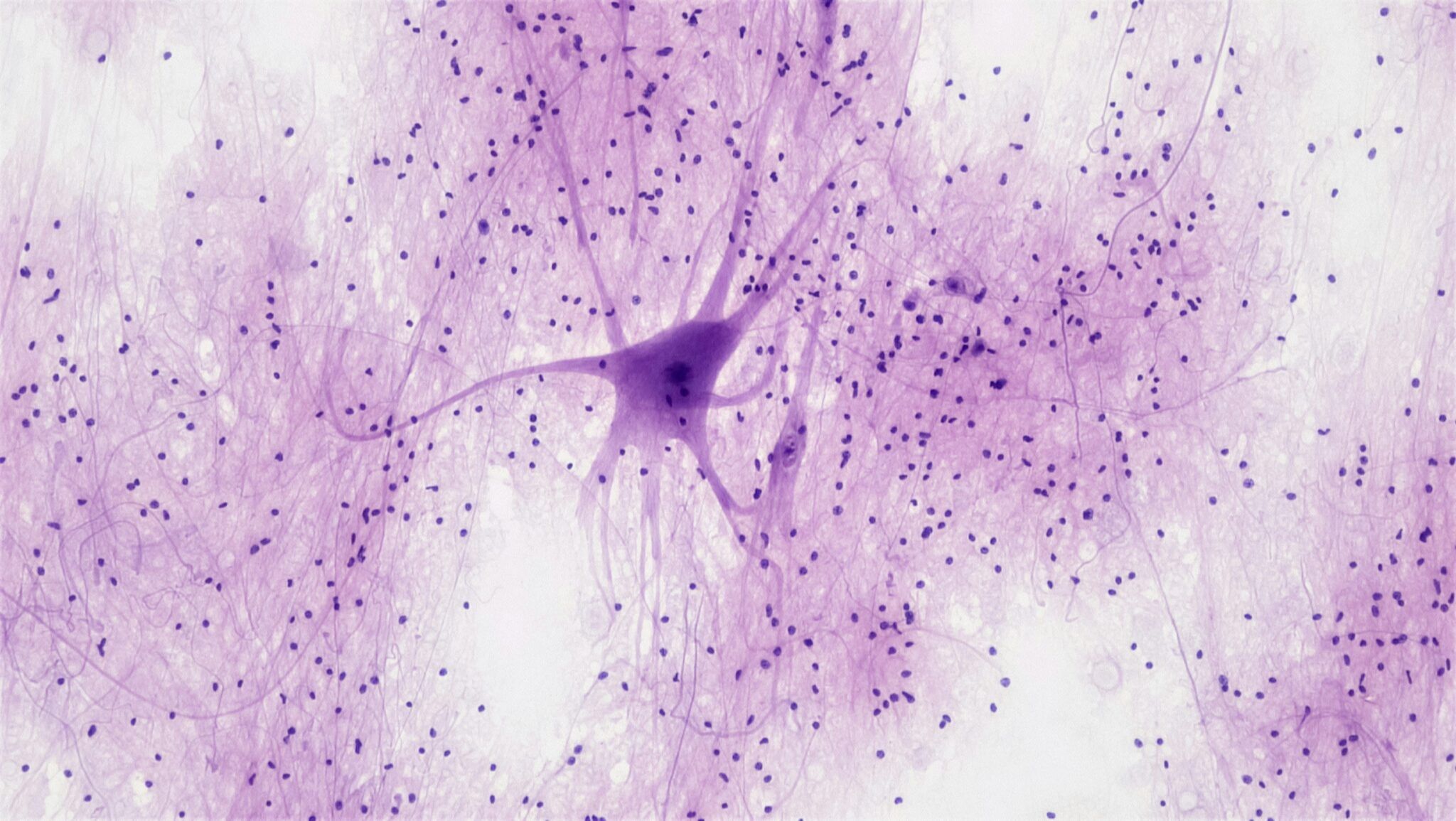
5 minute read
The idea that “you are what you eat” goes way beyond just physical health – also impacting your mental wellbeing. The gut-brain connection, a complex communication network between the gastrointestinal tract and the brain, plays a crucial role in mental health. Emerging research shows that the foods we eat can influence our mood, cognition, and even the risk of developing mental health disorders like anxiety and depression.
Sadly for me, I learned this the hard way – I recall arguing with my psychiatrist who didn’t believe diet had an impact. I’m lucky I followed my gut, or my mental health could have been much worse! And in this article, I’ll cover the gut-brain connection, how diet affects mental health, and what foods can help nourish both your gut and your mind.
What is the Gut-Brain Connection?
The gut and brain are in constant communication through a network called the gut-brain axis. This system includes the central nervous system (which controls brain function) and the enteric nervous system (which governs gastrointestinal function). These two systems communicate through biochemical signals sent via nerves, hormones, and immune system molecules.
The gut is also home to trillions of microorganisms, collectively known as the gut microbiome. These microbes produce neurotransmitters like serotonin, dopamine, and gamma-aminobutyric acid (GABA)—all of which are involved in regulating mood and mental health.
About 90% of the body’s serotonin, a neurotransmitter that stabilises mood and feelings of well-being, is produced in the gut. This makes the gut an integral part of how our brains function and how we feel.
How Diet Impacts the Gut and Mental Health
The food you consume has a direct effect on the balance of microbes in the gut, which in turn influences brain function. An unhealthy diet high in processed foods, sugar, and unhealthy fats can disrupt the gut microbiome, leading to inflammation, poor digestion, and changes in brain chemistry that may contribute to mental health problems. On the other hand, a diet rich in whole foods can support a healthy gut, reduce inflammation, and promote mental well-being.
Here are a few key ways in which diet impacts mental health:
- Inflammation and Mood: Chronic inflammation in the gut can lead to inflammation in the brain (now referred to as neuroinflammation), which is linked to conditions such as depression and anxiety. Diets rich in processed foods, sugars, and trans fats promote inflammation, while anti-inflammatory foods like fruits, vegetables, nuts, and seeds can help reduce it.
- Production of Neurotransmitters: Certain foods can boost the production of neurotransmitters like serotonin and dopamine, which are responsible for regulating mood, pleasure, and reward. A diet rich in tryptophan, an amino acid found in foods like turkey, eggs, and nuts, can increase serotonin levels and improve mood.
- Gut Microbiome Health: A diverse and balanced gut microbiome is essential for good mental health. Diets high in fibre, probiotics, and prebiotics (foods that feed beneficial gut bacteria) promote a healthy microbiome. Conversely, diets high in processed foods can disrupt this balance, leading to mood disorders and cognitive issues.
Foods That Support Mental Health
Here are some key foods that promote a healthy gut and brain, and you can find that list in this post – Nutrient-Packed Foods for A Healthy Mind and Body
Foods to Avoid for Better Mental Health
Just as certain foods support mental health, others can have a negative impact. As someone who had mental health issues from quite young, I made this connection very early. If you want to protect your gut and mind, I suggest you consider reducing (or eliminating):
- Sugary Foods: Excess sugar can lead to inflammation and disrupt the gut microbiome, contributing to mood swings and anxiety. Not this does not include fruit.
- Processed Foods: Highly processed foods often contain unhealthy fats, artificial additives, and sugar, all of which can negatively affect the gut and mental health.
- Trans Fats: Found in fried foods, baked goods, and processed snacks, trans fats increase inflammation in the body and have been linked to depression and cognitive decline.
- Artificial Sweeteners: Some studies suggest that artificial sweeteners like aspartame can disrupt the gut microbiome and negatively impact mood. I used to find these would give me the shakes, or skin pain, which I later learned to be artificial sweeteners impacting my nervous system!
I hope this article has helped outline the connection between the gut and the brain! If your gut is impacted, so will your brain, and if your brain is impacted, this can show up as symptoms emotionally and mentally.
Jen x
Author